The UK Social Media Ban for Under-16s: What Parents Need to Know (And Why It's Only One Piece of the Puzzle)
The UK is banning social media for under-16s, but is that enough?
The Government's announcement that social media will be banned for under-16s from March 2027 has sparked conversation across the country.
For some parents, it feels like a huge relief.
For others, it raises even more questions.
Will it actually keep children safe? Will it stop harmful content? And how do we explain these changes to our children?
As a parenting coach, I welcome any conversation that prioritises children's wellbeing online. But I also believe that legislation is only one piece of the puzzle.
Because parenting doesn't begin and end with government policy.

Why this matters for families
There is increasing evidence linking excessive social media use with anxiety, poor sleep, low self-esteem, body image concerns and exposure to harmful content.
Many parents already feel overwhelmed trying to navigate smartphones, apps, gaming, messaging platforms and social media alongside the usual challenges of raising children.
A ban may reduce access for younger users, but it won't remove every risk.
Technology will continue to evolve.
Our children will still encounter peer pressure, online trends, digital friendships and difficult conversations.
Which is why our role as parents remains just as important.
The greatest protection isn't a ban – it's connection
No amount of legislation can replace a trusting relationship between a parent and child.
Children who feel emotionally safe and connected to their parents are more likely to come to them when something online worries them.
Rather than relying solely on restrictions, we should be helping children develop critical thinking, emotional resilience and confidence to navigate the digital world.
The goal isn't to control every click.
The goal is to build enough trust that they come to you when they need support.
How to talk to your child about the social media ban
If your child hears about the changes, try approaching the conversation with curiosity rather than judgement.
You might say:
"There's been a lot in the news about social media. I'd love to know what you think about it."
Then listen.
Avoid jumping straight into advice or lectures.
Validate their feelings if they're disappointed or worried about missing out, while explaining that your job is to help keep them safe and support them in making healthy choices.
Some helpful questions include:
What do you enjoy about social media?
Is there anything online that makes you uncomfortable?
Have you ever felt pressured to fit in online?
If something upset you online, who would you talk to?
These conversations build connection long before problems arise.
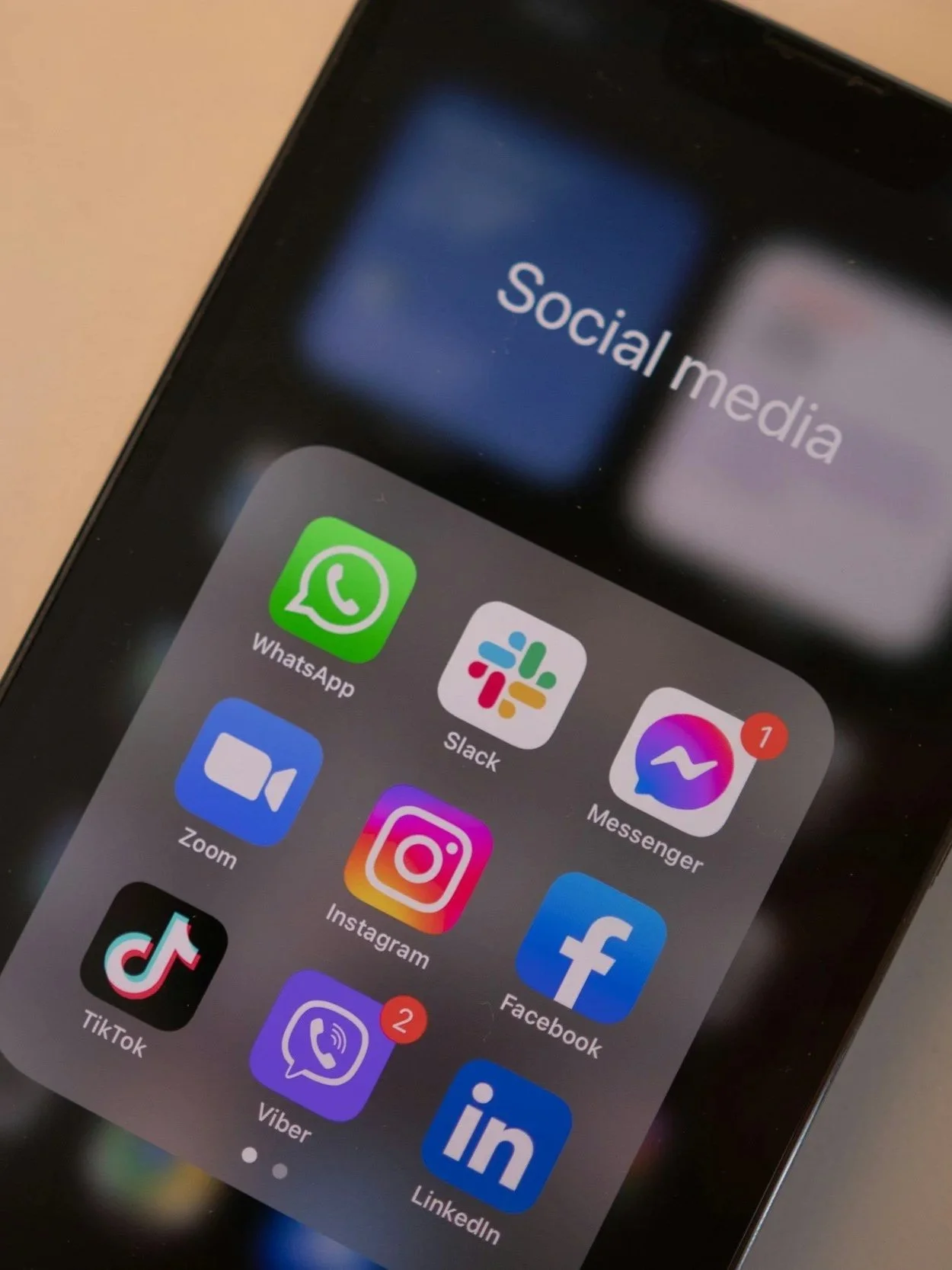
We can't put the entire responsibility on parents
While many parents will welcome greater protections for children online, it's important to recognise that this cannot become another issue where families are expected to shoulder the entire burden.
Parents absolutely have a role to play in guiding their children's digital lives through open conversations, boundaries and education.
But they cannot compete with algorithms designed to maximise engagement or platforms that profit from capturing children's attention.
If harmful, violent, sexually explicit or exploitative content exists online, the responsibility shouldn't rest solely with parents to police every click and conversation.
Technology companies and social media platforms should be held accountable for creating safer digital spaces in the first place. Better age verification, stronger moderation and greater responsibility for harmful content should be part of the solution—not something left for families to manage alone.
Protecting children online requires shared responsibility between parents, schools, policymakers and the technology industry itself.
Children deserve an internet that is safer by design.
What can parents do now?
You don't need to wait until 2027 - Start the conversations now.
Model healthy phone habits yourself.
Create family agreements around technology.
Prioritise offline connection and family time.
Help your child build confidence, emotional literacy and resilience; skills that will protect them online and offline.
The digital world will continue to change, but children who feel connected, understood and supported are far better equipped to navigate it safely.
Final thoughts
A social media ban may reduce access, but it won't solve every challenge facing children growing up in a digital world.
The most powerful protective factor we can give our children is a strong relationship built on trust, communication and connection.
Parents should never be expected to fight billion-pound algorithms alone. Our role is to raise resilient, emotionally healthy children—but the companies creating and profiting from these digital spaces must also be held accountable for making them safe.
If you'd like support in building a stronger connection with your child, setting healthy boundaries around technology, or navigating the challenges of parenting in the digital age, I'd love to help.
Whether you're struggling with screen time, emotional regulation, boundaries or everyday family life, there are practical strategies that can make a real difference.
Feel free to get in touch by email to find out more about my parenting programmes, coaching and resources. Together, we can help you parent with confidence in an increasingly digital world.