
Starting School in September? How to Support Your Child's Transition Over the Summer
Starting school is one of the biggest milestones in a child's life, and for many parents, it's an emotional transition too.
Whilst some children count down the days with excitement, others feel uncertain, anxious or overwhelmed by the changes ahead.
This can be particularly true for deep-feeling children, highly sensitive children or neurodivergent children, who often experience transitions more intensely than their peers.
The good news is that school readiness isn't just about recognising letters, counting to ten or putting on a school jumper independently.
One of the greatest gifts we can give our children before they start school is helping them feel emotionally safe, connected and prepared for change.
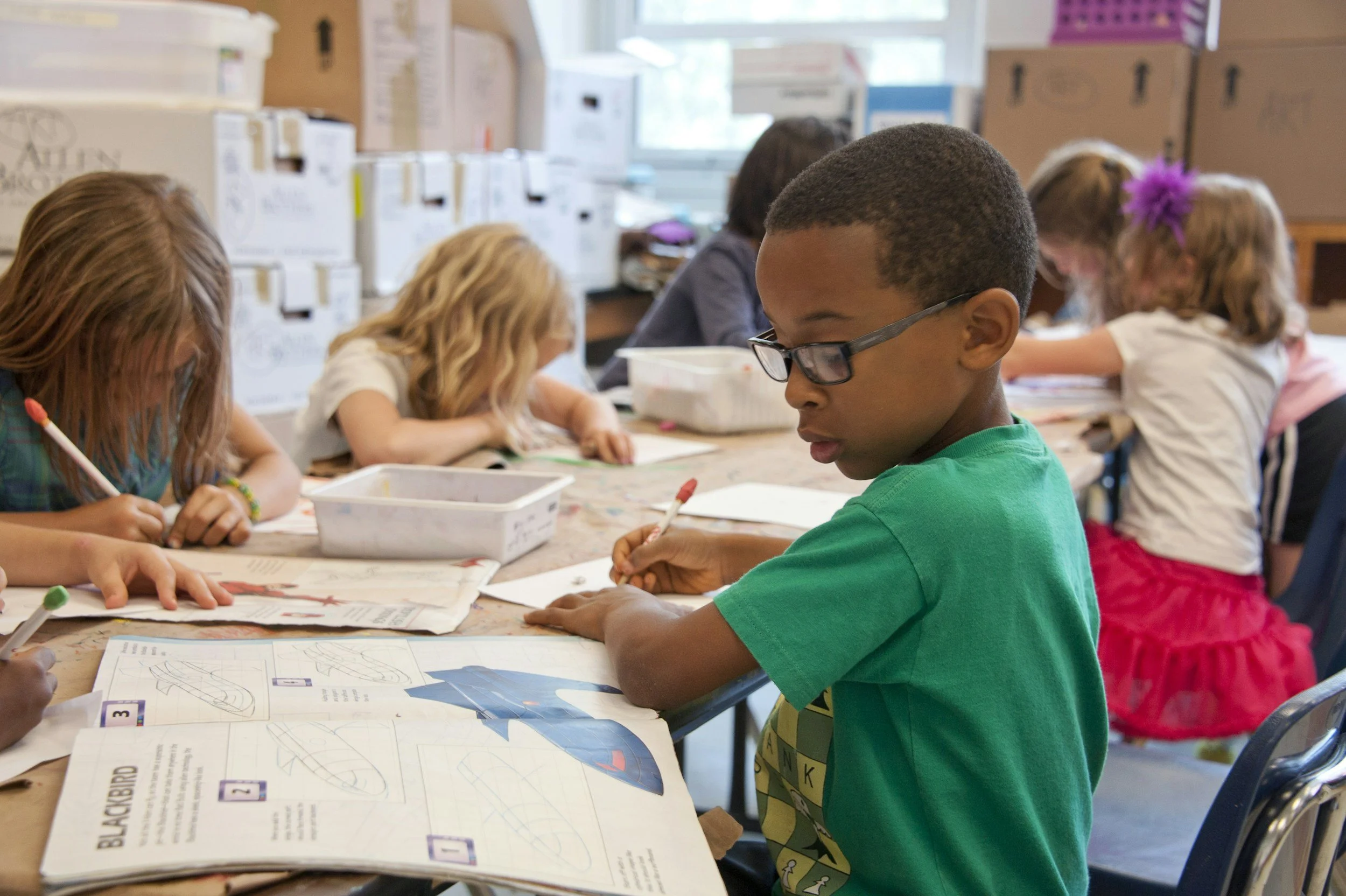
School Readiness Begins with Emotional Readiness
When we think about preparing children for school, it's easy to focus on practical skills.
Can they use the toilet independently?
Can they write their name?
Can they put their coat on?
Whilst these skills are helpful, research consistently shows that a child's emotional wellbeing, confidence and ability to form secure relationships have a far greater impact on how they settle into school.
A child who feels emotionally safe is much more able to:
Build relationships with new adults.
Explore unfamiliar environments.
Recover after making mistakes.
Cope with separation.
Ask for help.
Learn effectively.
Our goal isn't to remove every wobble or every tear.
It's to help our children believe:
"Even when something feels hard, I know I'll be okay."
Why Deep-Feeling and Neurodivergent Children Can Find School Transitions Harder
For many sensitive children, starting school isn't simply a new classroom. It's a huge sensory, emotional and social adjustment.
Suddenly they are expected to:
Separate from the people who help them feel safe.
Navigate new routines.
Listen to unfamiliar adults.
Manage busy classrooms and noisy environments.
Build friendships.
Cope with uncertainty.
Spend long periods regulating themselves without you nearby.

Their nervous systems are processing an enormous amount of information.
Sometimes this looks like clinginess.
Sometimes it looks like refusing to go.
Sometimes it looks like emotional outbursts after school.
And sometimes it looks like a child who appears to be coping brilliantly at school but completely falls apart at home.
This doesn't mean they're failing.
Often, it's a sign they've worked incredibly hard to hold everything together all day.
Five Ways to Support Your Child Over the Summer
1. Talk About School Without Making It the Focus
Children often become anxious when adults repeatedly ask: "Are you excited?"
Instead, weave school naturally into everyday conversations.
Read books together.
Walk past the school.
Point out the playground.
Wonder together about all the exciting things they might discover.
Curiosity is far more helpful than pressure.
2. Build Predictable Routines
Children feel safest when life feels predictable.
Over the summer, begin introducing small routines that will feel familiar once school starts.
This doesn't mean recreating a school day.
Instead, think about:
Consistent wake-up times.
Getting dressed before breakfast.
Packing a bag together.
Walking short distances.
Spending time with trusted adults.
Small routines build confidence.
3. Strengthen Their Emotional Vocabulary
Rather than trying to convince your child that school will be fine, help them recognise and name their feelings.
You might say:
"I wonder if a part of you feels excited about making new friends."
"Maybe another part feels a bit nervous because everything will be new."
This lets children know that all feelings are welcome.
When emotions are accepted rather than dismissed, children are much more likely to move through them.
4. Support Their Nervous System
Transitions are easier when children's nervous systems feel regulated.
Think about how you can build sensory regulation into each day.
Deep pressure cuddles.
Climbing.
Swinging.
Heavy work.
Time outdoors.
Quiet moments.
Creative play.
Movement.
Every child is different, so becoming curious about what helps your child feel calm can make a huge difference.
If you'd like to understand this more deeply, you may enjoy my recent blog on the 8 sensory systems and how they influence behaviour and emotional regulation.
5. Focus on Connection Before Confidence
One of the biggest misconceptions is that we need to make children feel confident before they can do something new.
In reality, confidence grows through experience.
Your child doesn't need to feel brave all the time.
They simply need to know that someone believes in them.
Your calm presence becomes their anchor.
When children feel deeply connected, they begin borrowing our confidence until they build their own.
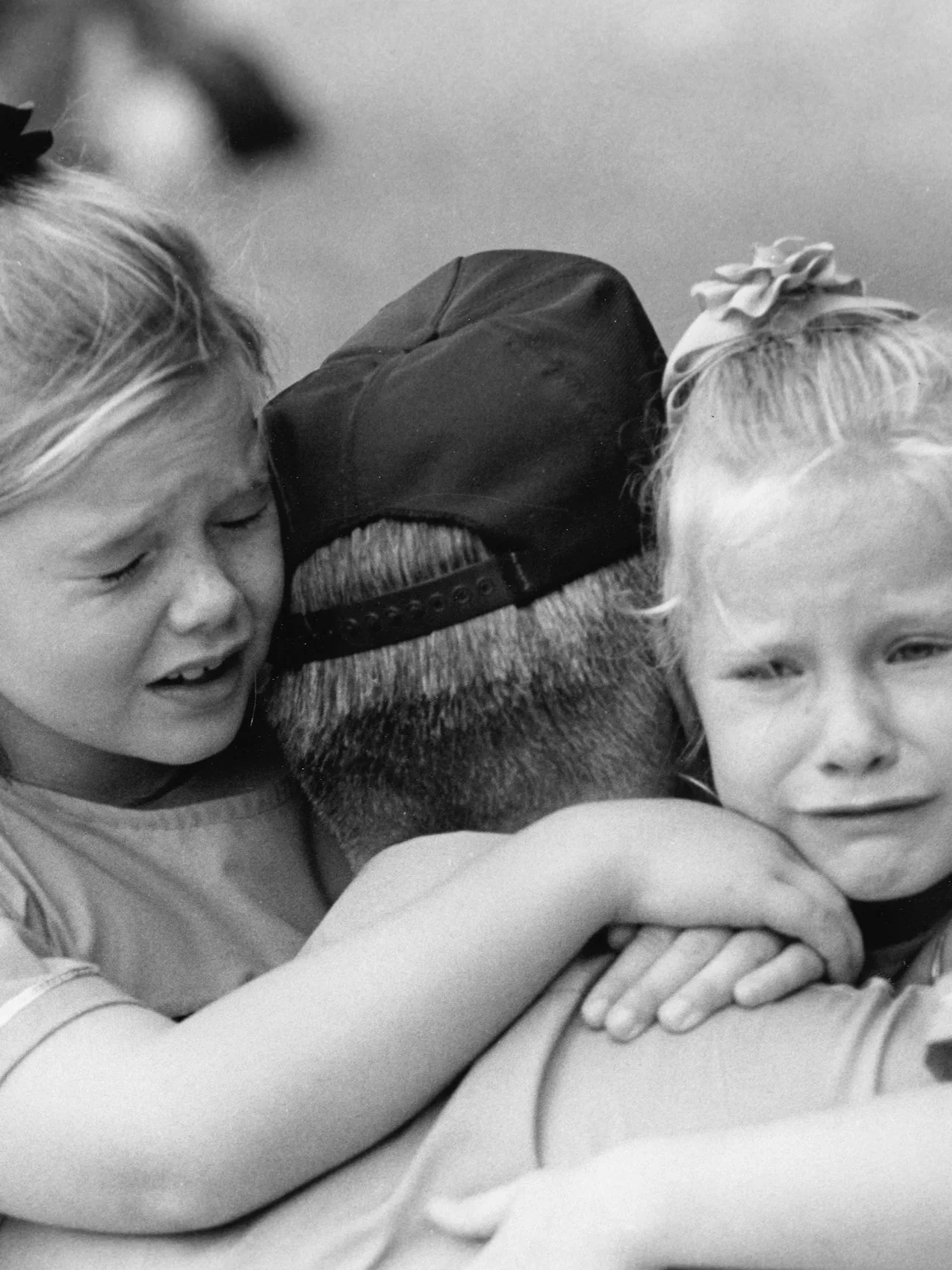
If Your Child Struggles with Separation
Many parents worry when their child cries at drop-off.
Please know this is incredibly common.
Children can feel deeply attached to their parents and still settle beautifully once the school day begins.
Rather than promising: "I'll only be five minutes."
Try saying: "I know saying goodbye feels hard. Your teachers will look after you, and I'll be back after your day at school. We can both do hard things."
Confidence grows through consistency.
Children don't need us to remove every uncomfortable feeling.
They need us to stay calm enough to help them move through it.
Supporting Yourself Too
Starting school is often as emotional for parents as it is for children.
You might notice worries such as:
"Will they make friends?"
"Will the teacher understand them?"
"What if they struggle?"
These thoughts come from a place of love.
Remember, your child doesn't need a perfect parent.
They need a regulated one.
The calmer your nervous system feels, the easier it becomes for your child to borrow that sense of safety during times of uncertainty.
Want More Support Before September?
If you're preparing your child to start school this autumn, I've created a range of workshops inside The Parenting Solutions Studio to help you feel confident and supported.
Inside the Studio you'll find workshops covering:
School Readiness – Helping your child prepare emotionally as well as practically.
Starting School – Supporting separation, transitions and building confidence.
Connecting with Your Child – Strengthening your relationship so your child feels secure during times of change.
You'll also have access to a growing library of workshops, downloadable guides, practical scripts and live monthly coaching designed to help you navigate every stage of your parenting journey with confidence and connection.
Membership is just £15 per month, with no minimum commitment, meaning you can access the support you need throughout the transition into school and beyond.
Because school readiness isn't about creating the "perfect" child.
It's about helping your child feel safe enough to learn, brave enough to try, and secure enough to know that whatever happens, they have you beside them.
Final Thoughts
Every child starts school with a unique temperament, personality and nervous system.
Some will run through the gates. Some will cling tightly to your leg.
Neither response tells us how successful they will be.
By focusing on connection, emotional regulation and gentle preparation over the summer, you're laying the foundations for your child not only to settle into school but to thrive there.
And that is one of the greatest gifts we can give them.