The Return to School: Why So Many Children Struggle (and How the BRIDGE Framework Can Help
The return to school can be a big adjustment for many children, even those who generally enjoy school.
Early mornings, structured routines, reduced autonomy, and long separations from key adults can feel like a shock to the system. For some children, this adjustment happens quietly. For others, it shows up through big emotions and challenging behaviour at home.
If your child seems “different” after returning to school, you’re not imagining it. I’m going to explain what might be going on for your child and how you can support them..

Why the Return to School Is So Hard for Children
School requires children to:
Wake earlier and transition quickly
Follow adult-led schedules
Sit still, listen, and regulate for long periods
Manage social dynamics
Separate from parents for much of the day
Even when school is positive, these demands can feel intense, especially after holidays or breaks.
Children often don’t say “I’m finding this transition hard”. Instead, their nervous system speaks through behaviour.
Why Deeply Feeling Children Struggle More With Transitions
For children with a sensitive nervous system — often described as deeply feeling children — the return to school can feel especially challenging.
These children crave:
Certainty
Predictability
Emotional safety
A new routine, new expectations, or even a familiar environment that feels slightly different can take time for them to trust.
For deeply feeling children, adjusting to school isn’t about capability, it’s about nervous system readiness.
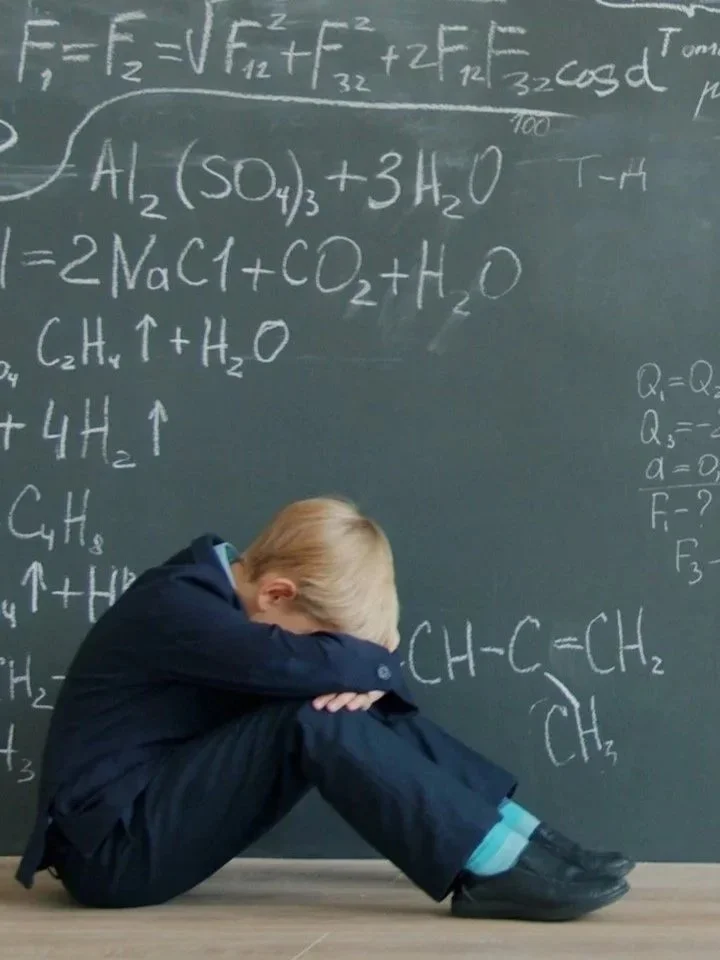
Common Behaviours Parents Notice at Home…
You might see:
Difficulty separating from you at bedtime
Waking in the night and calling for you or climbing into your bed
Increased fussiness around food or clothing (“I don’t like how this feels”)
More frequent or intense emotional meltdowns over small things
Needing more help to calm, regulate, or reset
Some children also become more controlling or demanding, dictating where people sit, what games are played, or when things happen.
This is not manipulation. It’s a child trying to regain a sense of control when their world feels demanding.
Introducing the BRIDGE Framework
Rather than trying to stop or correct these behaviours, we can support the nervous system underneath them.
The BRIDGE Framework is a practical, relationship-based approach I use to support deeply feeling children through separation and transition, including the return to school.
The BRIDGE Framework: Supporting Children Through Transitions
B — Be the Bridge
Children borrow regulation from the adults around them. When you stay grounded, steady, and confident, you become the bridge between your child’s big feelings and a sense of safety.
You don’t need to fix or rush emotions — your calm presence is enough.
R — Receive Their Feelings
Deeply feeling children don’t need solutions in the moment; they need to feel understood.
Receiving feelings means:
Listening without interrupting
Reflecting emotions without correcting them
Resisting the urge to explain, justify, or persuade
Feeling heard helps the nervous system settle.
I — Imagine the Reunion
Separation is easier when reunion feels certain.
Support this by:
Talking about when you’ll be back together
Naming what you’ll do when you reconnect
Creating a predictable focus for after school
This gives your child’s nervous system something safe to hold onto.
D — Deepen Safety
Deeply feeling children often need tangible reminders of connection.
This might include:
Special one-to-one connection time
Rituals such as secret handshakes or hug sequences
Transitional objects like comforters, pocket hugs, or drawing matching hearts on your hands
These tools help bridge the emotional gap while you’re apart.
G — Give Autonomy
When children feel overwhelmed, they often seek control.
You can support this by:
Reducing unnecessary demands at home
Offering choices within boundaries
Allowing control over clothing, food presentation, or routines where possible
Autonomy supports emotional regulation and confidence.
E — Ease the Load
Transitions are hard work for the nervous system.
Lowering expectations at home — earlier bedtimes, simpler meals, fewer battles — allows your child time to adapt and recover.
Is Your Child a Deep Feeler?
If much of this resonates, your child may have a sensitive nervous system.
You can access my Deep Feelers Checklist and further support here:
👉 https://links.thepositiveparentcoach.co.uk/widget/form/YIiXfTjPJTYfR0nkpuxA?notrack=true
Understanding how your child experiences the world can completely change how confident and supported you feel as a parent.
A Final Thought
Children don’t struggle with the return to school because they don’t want to cope.
They struggle because their nervous systems are adapting.
With the right support (and the right bridge) they don’t just adjust. They grow.
Warmly,
The Positive Parent Coach x